What Is Practical Nursing? What LPNs Do, Where They Work & How to Start
Practical nursing is a licensed nursing role centered on direct patient care. Licensed Practical Nurses, commonly called LPNs, work closely with patients while providing nursing care within the scope allowed by their state.
If you are considering nursing, understanding what an LPN does, where practical nurses work, and how the licensing path works can help you decide whether practical nursing fits your goals.
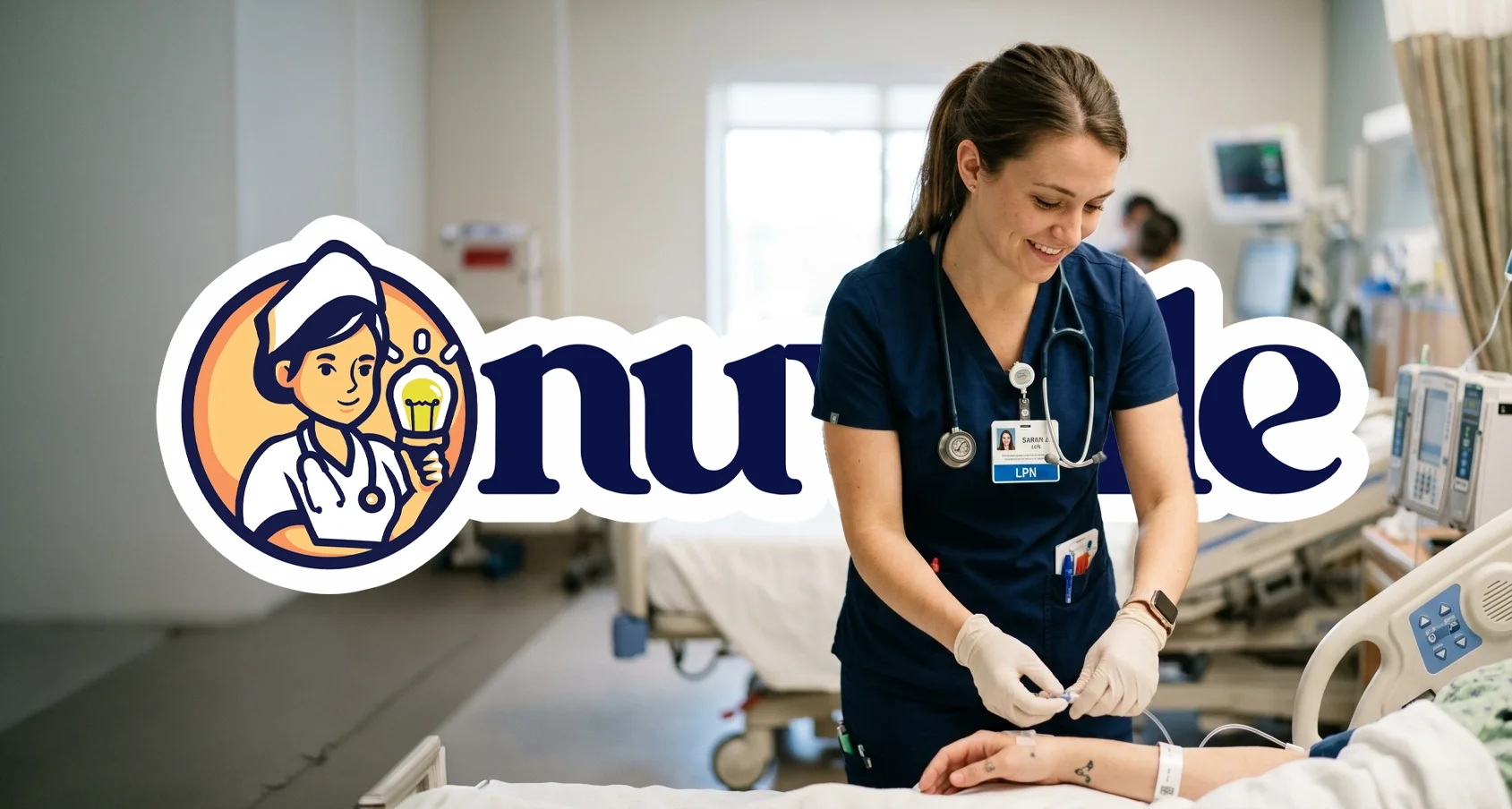
What is practical nursing?
Practical nursing is a licensed nursing role focused on direct patient care. Licensed Practical Nurses may monitor patients, provide nursing care, document care, report changes, communicate with patients and families, and perform treatments or administer medications when permitted by their state's scope of practice.
What does practical nursing actually mean?
Practical nursing is one level of licensed nursing practice. It focuses on providing direct nursing care as part of a larger healthcare team.
People often use the terms practical nurse, Licensed Practical Nurse, and LPN when talking about the same nursing pathway. Some states use the title Licensed Vocational Nurse, or LVN, instead.
The exact responsibilities of an LPN depend on state nursing law, employer policies, education, training, and the setting where the nurse works.
Practical nurses turn nursing knowledge into everyday patient care. They observe patients, provide care, document what happens, communicate changes, and work with other healthcare professionals to respond to patient needs.
What does a Licensed Practical Nurse do?
LPN duties vary by state and workplace, but the role is closely tied to direct patient care. The U.S. Bureau of Labor Statistics describes LPNs and LVNs as nurses who provide basic medical care.
A practical nurse may spend one part of a shift checking a patient's condition and another part providing treatment, documenting care, answering questions, or reporting a change to the supervising nurse or physician.
Monitor patient conditions
LPNs may check vital signs, observe symptoms, and watch for changes that need to be reported to the healthcare team.
Provide nursing care
Practical nurses may perform selected treatments and other nursing activities that fall within the nurse's permitted scope of practice.
Communicate with patients
LPNs talk with patients and families, listen to concerns, explain routine care, and communicate relevant information to other healthcare professionals.
Document care
Accurate documentation helps the healthcare team understand what care was provided, what the nurse observed, and how the patient responded.
An LPN's permitted duties are not identical in every state or healthcare setting. Nursing law, employer policy, education, training, and supervision can affect which tasks an individual practical nurse is authorized to perform.
Where can a practical nurse work?
Practical nursing is not limited to one type of healthcare facility. LPNs work in nursing and residential care, hospitals, home healthcare, physicians' offices, government settings, and other patient-care environments.
Current U.S. Bureau of Labor Statistics data show that nursing and residential care facilities employ the largest share of LPNs and LVNs.
| Work setting | Share of LPN and LVN employment | What the setting may involve |
|---|---|---|
| Nursing and residential care facilities | 37% | Ongoing nursing care for patients and residents with short-term or long-term healthcare needs. |
| Hospitals | 16% | Patient-care support and nursing activities based on facility needs and permitted scope. |
| Home healthcare services | 12% | Nursing care delivered in a patient's home, often with communication among families and supervising clinicians. |
| Physicians' offices | 11% | Outpatient patient monitoring, treatments, documentation, and clinical support. |
| Government | 6% | Nursing roles within applicable public healthcare and government settings. |
📊 Employment distribution: U.S. Bureau of Labor Statistics, Licensed Practical and Licensed Vocational Nurses, 2025 employment data.
What is the difference between an LPN and an RN?
Licensed Practical Nurses and Registered Nurses are both licensed nurses, but they follow different education and examination pathways and may have different professional responsibilities.
Exact scopes of practice are determined by state law. In general, registered nursing includes broader assessment, planning, coordination, and professional nursing responsibilities.
| Comparison | Practical Nurse / LPN | Registered Nurse / RN |
|---|---|---|
| Education | Practical nursing education program | Professional nursing education through an applicable approved pathway |
| Licensure examination | NCLEX-PN | NCLEX-RN |
| General role | Provides selected nursing care and treatments within the practical nursing scope | Performs professional nursing functions with generally broader assessment and care responsibilities |
| Scope | Defined by state law, employer policy, education, training, and competency | Defined by state law with generally broader professional nursing responsibilities |
How do you become a Licensed Practical Nurse?
The exact licensure process depends on the state where you plan to practice. In general, the pathway starts with nursing education and continues through state licensure requirements and the NCLEX-PN.
Check your state's requirements
Nursing licenses are issued by state nursing regulatory bodies. Review the requirements in the state where you expect to practice before choosing a program.
Complete practical nursing education
Practical nursing education combines nursing theory with hands-on nursing skills, laboratory learning, simulation, and clinical education.
Apply for licensure
Submit the application, education documentation, background screening, fees, and any other information required by the nursing regulatory body.
Complete the NCLEX-PN pathway
Eligible candidates register for the NCLEX-PN, receive authorization to test, take the examination, and complete any remaining requirements for license issuance.
Read How to Become a Licensed Practical Nurse for a more detailed look at school, Florida licensure, background screening, NCLEX-PN registration, and choosing a program.
What does practical nursing mean in Florida?
Florida regulates practical nursing education and LPN licensure through the Florida Board of Nursing. Students considering a program should confirm the program's current status and understand the state's licensing process before enrolling.
Practical nursing education includes more than classroom content. Students need opportunities to connect nursing theory with hands-on skills and supervised clinical education.
Check the education and licensure pathway before choosing a school
Review the program's current approval status, curriculum, clinical structure, admissions requirements, schedule, and the process graduates follow when pursuing practical nurse licensure.
Review Florida nursing education informationWhat does the LPN career outlook look like?
Practical nurses remain part of healthcare teams across nursing facilities, hospitals, home healthcare, physicians' offices, and other care settings.
The U.S. Bureau of Labor Statistics reported a median annual wage of $64,400 for LPNs and LVNs in May 2025. Employment is projected to grow 3 percent from 2025 through 2035.
Pay and job opportunities vary by location, employer, experience, shift, specialty, and work setting. Students should compare current local employment information when making career decisions.
How can you start practical nursing education at Nuvelle?
Nuvelle School of Nursing & Health Sciences offers a Practical Nursing diploma program from its Coral Springs, Florida campus.
The program combines synchronous online theory with onsite nursing skills, simulation, and clinical education.
Build your practical nursing foundation in Coral Springs
Nuvelle's curriculum combines nursing theory, skills, simulation, clinical learning, and preparation for the applicable NCLEX-PN and Florida licensure pathway.
Common questions about practical nursing
These are some of the questions students ask when researching practical nursing and Licensed Practical Nurse career paths.
What is practical nursing?
Practical nursing is a licensed nursing role centered on direct patient care. Practical nurses commonly monitor patients, provide selected nursing care, communicate changes, document care, and perform treatments or administer medications when permitted by their state's scope of practice.
What is a practical nurse?
A practical nurse is a licensed healthcare professional who provides nursing care within the practical nursing scope established by the state where the nurse practices. The commonly used title is Licensed Practical Nurse, or LPN.
What does an LPN do?
LPN duties may include monitoring patients, checking vital signs, providing selected treatments, documenting care, communicating with patients and families, and reporting changes to the healthcare team. Exact duties depend on state law and the workplace.
Where can a practical nurse work?
Practical nurses work in nursing and residential care facilities, hospitals, home healthcare, physicians' offices, government settings, and other healthcare environments.
Is practical nursing the same as being an LPN?
Practical nursing describes the field and type of nursing practice. LPN is the commonly used license title for a Licensed Practical Nurse who has completed the applicable education, examination, and state licensure requirements.
What is the difference between an LPN and an RN?
Both are licensed nurses, but practical nurses and registered nurses complete different education and licensure pathways. RNs generally have a broader scope of professional nursing responsibilities. Exact scopes are determined by state law.
Do LPNs take the NCLEX?
Eligible candidates pursuing practical nurse licensure take the NCLEX-PN as part of the licensing process. They must also meet the requirements of the nursing regulatory body where they are applying.
How long does it take to become an LPN?
Program length varies by school and curriculum. Nuvelle's current Practical Nursing Program includes 1,350 clock hours and has a published normal completion time of 18 months for students who progress through the curriculum as scheduled.
How much do Licensed Practical Nurses make?
The U.S. Bureau of Labor Statistics reported a national median annual wage of $64,400 for LPNs and LVNs in May 2025. Actual pay varies by location, employer, work setting, experience, specialty, and schedule.
Does completing practical nursing school guarantee an LPN license?
No. Completing a nursing education program does not by itself guarantee licensure. Candidates must meet the applicable education, examination, application, background screening, and other requirements established by the nursing regulatory body.